






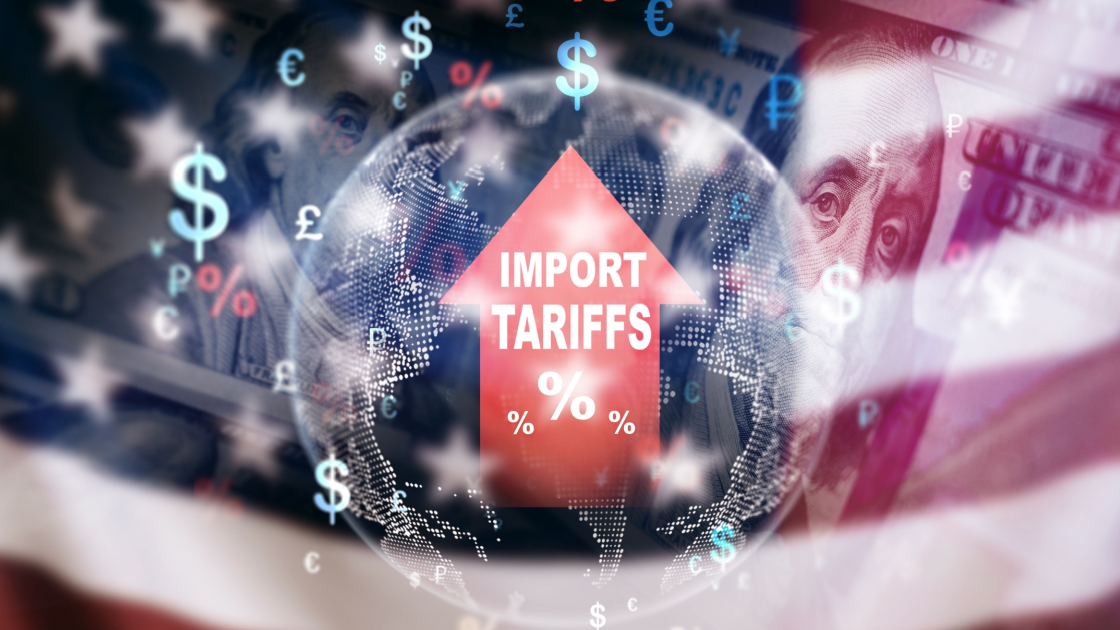
Good news for companies exporting machinery to the United States: the steel-related import tariff on many types of industrial equipment has been reduced from 25% to 15% for most countries.
Since April 6, 2026, a 25% tariff applied to many imported machines and construction equipment under the U.S. Section 232 measures. In June 2026, President Trump announced modifications to the Section 232 tariffs on steel and aluminum, simplifying the duty structure and lowering the tariff burden for certain industrial machinery, agricultural equipment, and derivative products that use steel and aluminum.
What Has Changed?
The most significant change is that effective June 8th 2026 used equipment is now subject to a reduced tariff rate of 15%.
This reduced rate is scheduled to remain in effect through December 31, 2027.
China and Brazil remain exceptions, with the higher 50% tariff rate still in place.
What Does This Mean for Importers?
The reduction to 15% makes it somewhat easier and more affordable to import used machinery into the United States. For exporters and buyers alike, the lower tariff can help reduce overall costs and improve competitiveness in the U.S. market.
However, a 15% import duty is still a significant expense. For many businesses, it remains a major obstacle when evaluating investments, equipment purchases, and international trade opportunities.
Uncertainty Remains
Although the current rate is expected to remain in place until the end of 2027, recent history has shown that trade policies can change quickly and often with little warning.
Over the past year, tariff rates have been adjusted multiple times, creating uncertainty for importers, exporters, and equipment buyers. As a result, companies should continue to monitor developments closely and remain prepared for potential changes in either direction.
Conclusion
The reduction of the U.S. steel-related import tariff from 25% to 15% provides welcome relief for companies exporting used equipment to the United States. While the lower rate improves the business case for importing equipment, it still represents a considerable cost.
In today’s rapidly changing trade environment, staying informed and maintaining flexibility remain essential for companies doing business in the U.S. market.