







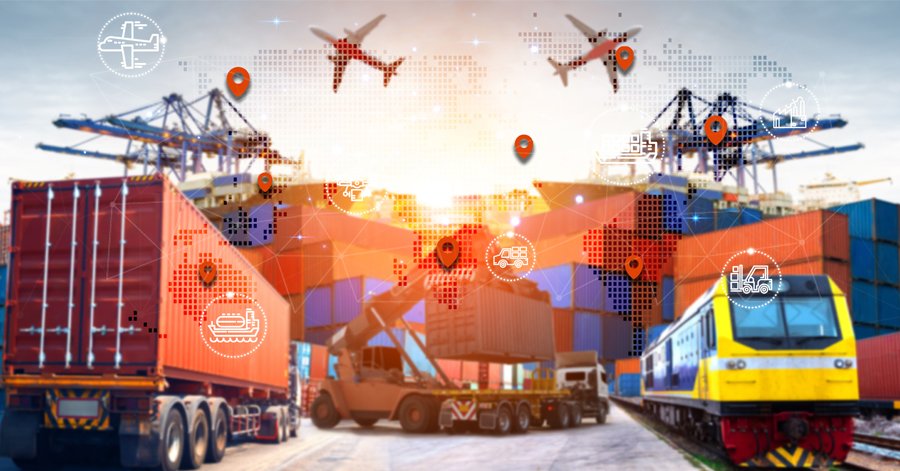
The ongoing conflict involving Iran has rapidly evolved into one of the most disruptive geopolitical events for global logistics in recent years. While headlines often focus on oil prices and military developments, the transportation and shipping industries are already feeling the effects across multiple sectors — from RoRo shipping and container freight to trucking and road transport in Europe and North America.
At the center of the disruption is the Strait of Hormuz, one of the world’s most important maritime chokepoints. Roughly 20% of global oil flows pass through this narrow waterway, making it critical not only for energy markets but also for international trade and vehicle logistics.
RoRo Shipping Faces Rising Costs and Delays
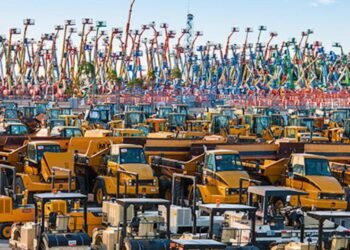
The Roll-on/Roll-off (RoRo) shipping market is among the hardest hit sectors. Vehicle carriers transporting cars, trucks, heavy equipment, and machinery between Asia, the Middle East, Europe, and North America are facing growing uncertainty.
Several shipping companies have already rerouted vessels away from high-risk areas or temporarily suspended Gulf operations altogether. As security risks increase, war-risk insurance premiums have surged, adding significant costs to every voyage.
For equipment dealers and vehicle exporters, this means:
- Longer transit times
- Increased shipping rates
- Delayed deliveries
- Reduced vessel availability
- Higher fuel surcharges
RoRo carriers are also dealing with congestion at alternative ports as ships reroute around conflict zones. In some cases, vessels are forced to take the much longer route around the Cape of Good Hope instead of using the Suez Canal and Red Sea corridor.
The automotive sector is already reporting delivery slowdowns due to disrupted shipping lanes and parts shortages.
Container Shipping Under Pressure Again
Container shipping companies were hoping for a more stable 2026 after years of pandemic disruptions and Red Sea attacks. Instead, the Iran conflict has once again destabilized global supply chains.
Major carriers continue avoiding the Red Sea and parts of the Middle East due to missile and drone threats. Analysts estimate that nearly 10% of the world’s container fleet has been affected by rerouting, delays, or capacity constraints.
The consequences are significant:
- Freight rates between Asia and Europe are rising again
- Transit times are becoming less reliable
- Port congestion risks are increasing
- Shipping capacity is tightening
- Fuel costs are climbing sharply
According to shipping analysts, carriers are now assuming that diversions around Africa may continue throughout much of 2026, removing hopes of a quick return to normal Suez Canal traffic.
Even temporary ceasefires are not enough to restore confidence in the market. Shipping companies remain cautious about returning vessels to high-risk zones because rerouting entire global networks is extremely costly and operationally complex.
Rising Fuel Prices Hit Road Transport
The impact of the conflict is not limited to ocean freight. Trucking and road transport companies across Europe and the United States are also feeling the pressure through rising fuel costs.
As oil shipments through the Strait of Hormuz become disrupted, global energy prices have increased sharply. Brent crude prices surged as concerns over prolonged supply interruptions intensified.
For trucking companies, higher diesel prices immediately affect operating costs. This creates several downstream effects:
- Increased freight rates
- Higher operating expenses for fleets
- Reduced profit margins for owner-operators
- Increased costs for shippers and consumers
- Pressure on construction and equipment transportation sectors
European road transport operators are particularly vulnerable because Europe remains heavily dependent on imported energy supplies transported by sea.
In the United States, trucking companies may initially benefit from stronger domestic energy production, but rising global oil prices still push diesel costs higher nationwide.
Supply Chains Are Becoming More Risk-Focused
One of the biggest long-term impacts of the Iran conflict may be a permanent shift in how logistics companies manage risk.
Shippers are increasingly diversifying routes, ports, and transportation providers to reduce dependency on vulnerable chokepoints such as the Strait of Hormuz and the Suez Canal. Many companies are now prioritizing supply chain resilience over pure cost efficiency.
Industry experts warn that the freight market was already fragile before the conflict began, with soft demand and excess shipping capacity putting pressure on margins. The war has now added a new layer of geopolitical risk and operational uncertainty.
Final Thoughts
The Iran conflict is proving to be far more than a regional political crisis. Its effects are spreading throughout global transportation networks and reshaping the economics of shipping and logistics.
For RoRo operators, container carriers, trucking companies, equipment dealers, and import/export businesses, the challenges are becoming increasingly clear: higher costs, longer transit times, fuel volatility, and greater uncertainty.
While global trade continues moving, the logistics industry is once again being forced to adapt to a rapidly changing geopolitical landscape — and many companies are preparing for disruption to remain part of the market well into 2026.