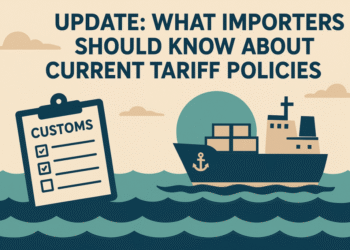







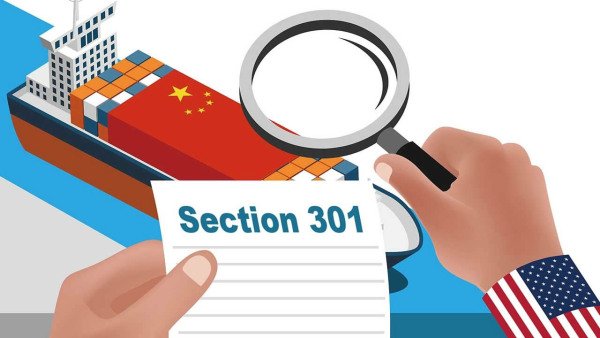
On October 3, 2025, U.S. Customs and Border Protection (CBP) released detailed guidance on the implementation of new Section 301 service fees for vessels calling at U.S. ports. While these fees may sound administrative at first glance, their impact on international shipping—and especially on the export of construction machinery to the United States—is significant.
According to CBP’s guidance, the new service fees will apply from October 14, 2025 onward. Vessel operators are required to pay the applicable fee on or before the vessel’s entry at the first U.S. port on each voyage originating outside the U.S. customs territory. In practice, this means shipping lines will pass these costs directly on to their customers.
How the New Fee Structure Works
The service fees are structured under three annex categories, based on vessel ownership, country of construction, and vessel type:
- Annex I applies to vessels owned or operated by Chinese entities and is charged at US$50 per net ton.
- Annex II applies to Chinese-built vessels of any flag or ownership, with the fee calculated as the higher of US$18 per net ton or US$120 per container.
- Annex III applies to vehicle carriers and Ro-Ro vessels that are foreign-built, charged at US$14 per net ton.
The key point is that these fees are based on net tonnage, unless otherwise specified, and apply regardless of the type of cargo being shipped.
What This Means for Machinery Shipping
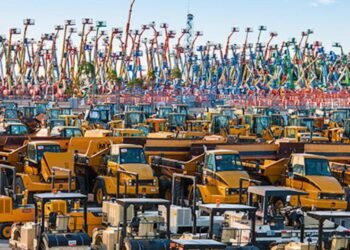
For the construction equipment industry, the consequences are clear. Nearly all vessels used to ship machinery to the United States—especially Ro-Ro vessels—are non-U.S. built. As a result, virtually every Ro-Ro shipment of machinery will now be subject to this additional Section 301 service fee.
We have already received confirmation from our shipping partners that this cost will be passed through as a volume-based surcharge of approximately USD 23 per cubic meter. To put that into perspective, shipping a Caterpillar 938M, which has a shipping volume of 70.25 m³, will now incur an additional cost of USD 1,616 per unit—on top of all existing tariffs, duties, and surcharges already in place.
This added expense further complicates an already challenging trade environment. Between import tariffs, steel-related charges, currency fluctuations, and now vessel service fees, the cost of shipping construction machinery to the U.S. continues to rise.
A Short-Term Window
There is, however, a limited grace period. Carriers have indicated that machines shipped before November 15, 2025, will not be subject to this new surcharge. For exporters with pending shipments, this window may provide a brief opportunity to avoid the added cost—though timing and vessel availability will be critical.
Final Thoughts
The introduction of these Section 301 service fees is yet another reminder that trade policy increasingly affects logistics at every level. For machinery exporters, staying informed and acting quickly has never been more important. As always, we will continue to monitor developments closely and keep our customers updated as the situation evolves.