





International trade with the United States continues to evolve, and understanding the current tariff structure is essential for exporters and importers alike. Below is a brief overview of the main tariffs currently affecting goods entering the U.S. market.
Global Tariffs
At the moment, most countries face a 10% tariff on the value of goods imported into the United States. This global tariff applies broadly across many categories of products.
An important exception is China, which currently faces a 35% tariff on imports into the U.S. This higher rate was already in place prior to the introduction of the broader global tariffs.
Steel Tariffs
In addition to the global tariff, steel-related tariffs may apply depending on where a product is manufactured and how much steel it contains.
The steel tariff is calculated based on:
- The weight of the steel used in the product
- The current value of steel
- The percentage tariff applicable to the country of origin
In simple terms, the calculation follows this formula:
Steel weight (kg) × steel price × tariff percentage
Because these factors vary by product and origin, the final tariff amount can differ significantly between machines or equipment.
You can read more about the steel tariffs over here
Truck Tariffs
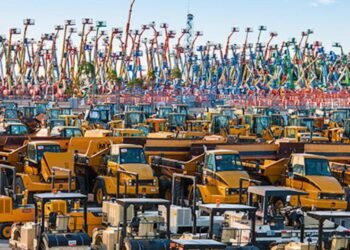
For the heavy equipment sector, another important measure remains in place: a 25% tariff on trucks.
This tariff applies to:
- Standard trucks
- Articulated dump truck
- Rigid dump truck
As a result, exporting dump trucks to the United States that are not built in the U.S. has become extremely challenging from a cost perspective.
Staying Updated
Trade regulations can change quickly, and tariffs remain a moving target in international commerce. We will continue to keep this page as accurate and up to date as possible.
If you have new information or updates regarding import tariffs, please feel free to share them so we can keep the industry informed.