






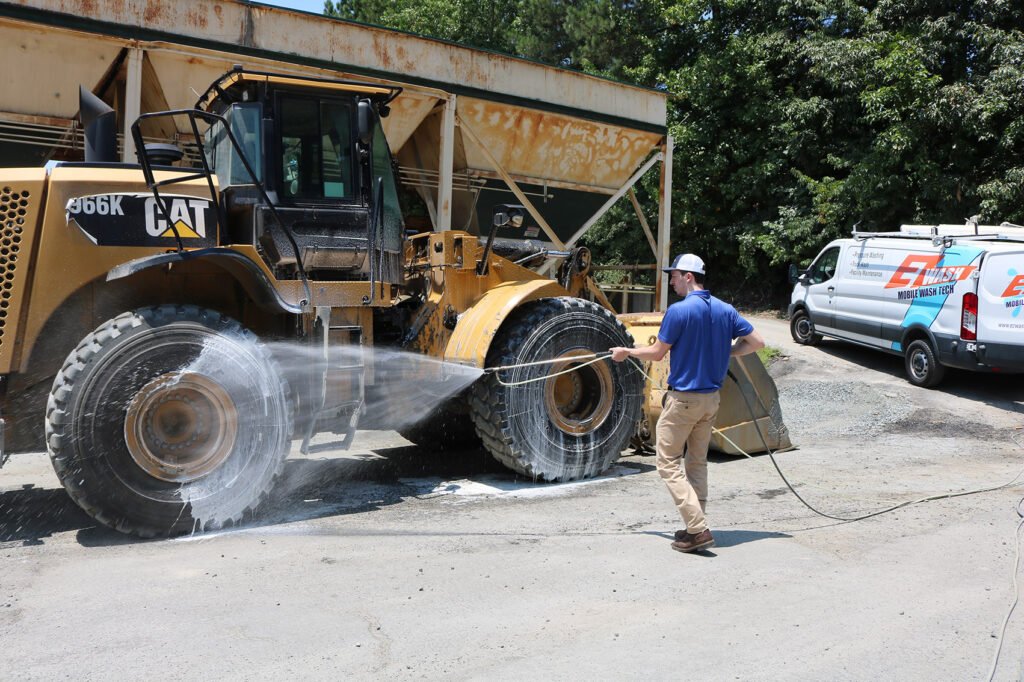
Exporting used construction machinery to Australia can be an excellent business opportunity, but it comes with one significant hurdle that catches many sellers by surprise: AQIS cleaning requirements. AQIS, formerly the Australian Quarantine and Inspection Service and now part of the Department of Agriculture, Fisheries and Forestry (DAFF), enforces some of the strictest biosecurity regulations in the world. These rules are especially tough for heavy machinery, which is viewed as a high-risk vector for soil, seeds, plant matter, and invasive pests.
For anyone shipping bulldozers, excavators, loaders, or other equipment into Australia, understanding AQIS cleaning is absolutely crucial. A machine that doesn’t meet the required standards won’t simply be delayed—it can be fully rejected, shipped back at the owner’s expense, or subjected to expensive on-arrival cleaning that can cost thousands of dollars. In extreme cases, machines have even been destroyed.
Below, we break down what AQIS cleaning involves, why it’s so stringent, and how to prepare construction machinery so it passes inspection the first time.
Why Australia Has Such Strict Requirements
Australia’s environment is uniquely fragile. The country has suffered major ecological damage in the past from invasive species—cane toads, fire ants, and plant diseases like myrtle rust, to name a few. To prevent further risks, the Australian government enforces tight controls on anything that could carry biological contaminants.
Used construction machinery is considered one of the highest-risk imports, because:
- Machines often contain soil trapped in undercarriages and engine compartments
- Seeds and plant matter cling to hidden areas
- Oil leaks can trap dust and organic material
- Machinery travels between job sites, collecting debris from multiple environments
From the perspective of biosecurity officers, a used excavator isn’t just a machine—it’s a potential delivery system for harmful pathogens.
What AQIS Cleaning Actually Involves
AQIS cleaning is not a simple wash. It is a deep, comprehensive, top-to-bottom decontamination of the machine. Every cavity, crack, panel, and compartment must be cleaned so thoroughly that not a single speck of soil or organic matter remains.
A proper AQIS cleaning usually includes:
1. External Cleaning
This covers all visible surfaces:
- Undercarriage
- Axles, wheels, and sprockets
- Tracks, rollers, and idlers
- Buckets, attachments, and booms
- Cab exterior and steps
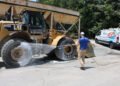
High-pressure washing is standard, but technicians must also use scrapers, brushes, and degreasers to access compacted dirt.
2. Internal Compartments
Biosecurity officers inspect everything, including:
- Engine bay
- Hydraulic compartments
- Radiators and cooling systems
- Belly plates and guards
- Battery boxes
- Toolboxes and storage areas
- Cab interior (floors, mats, vents)
This is where most machines fail. Dirt often settles in places that aren’t obvious unless panels are removed.
3. Undercarriage and Tracks
Tracked machines are the biggest challenge. Soil gets compacted so tightly that high-pressure water alone won’t remove it. AQIS-approved facilities often need hours to clean a single undercarriage properly.
4. Attachments
Buckets, rippers, grapples, and secondary attachments must all be cleaned separately and thoroughly.
Documentation and Inspection
A key part of AQIS compliance is the import inspection performed upon arrival in Australia. Even if the machine has been cleaned overseas, AQIS inspectors make the final decision at the port.
If the machine fails the inspection, the importer has two choices:
- Pay for cleaning at an Australian AQIS-approved facility (expensive and slow), or
- Re-export the machine back to its origin at their own cost.
Passing the inspection depends entirely on the quality of the cleaning.
Common Reasons Machines Fail AQIS Inspection
Even experienced exporters get caught out. Some common failure points include:
- Soil trapped inside track frames
- Dirt behind hydraulic lines and hoses
- Debris behind belly plates that were not removed
- Seeds stuck in radiator fins
- Mud inside buckets or attachment hinge points
- Dust inside the cab, often under floor mats
- Oil leaks that trap organic material
AQIS officers work with bright lights, mirrors, and sometimes borescopes. Nothing escapes their inspection.
Best Practices to Ensure Your Machine Passes
To avoid costly delays or penalties:
Choose an AQIS-Approved Cleaning Facility
Not all wash bays are qualified. Only trained facilities understand the depth of cleaning required.
Disassemble Where Necessary
Remove belly plates, guards, and access panels. If you don’t, AQIS will—and you’ll pay for it.
Fix Oil Leaks First
Oil mixed with soil becomes nearly impossible to remove.
Clean Attachments Separately
Don’t assume a bucket or ripper is “clean enough.” Inspectors won’t.
Provide Accurate Photos
Send the buyer detailed cleaning photos so they can review hidden areas before shipping.
Allow Enough Time
Proper cleaning takes hours—sometimes days—not minutes.
Final Thoughts
AQIS cleaning for construction machinery may seem excessive at first, but once you understand Australia’s biosecurity risks, the strict rules make sense. For sellers and exporters, the key is simple: take AQIS seriously, prepare properly, and never cut corners.
A machine that’s thoroughly cleaned before shipping not only passes inspection more easily—it saves money, protects your reputation, and keeps your customers happy. In an industry where delays are costly and trust is essential, mastering AQIS requirements is more than a necessity—it’s a competitive advantage