






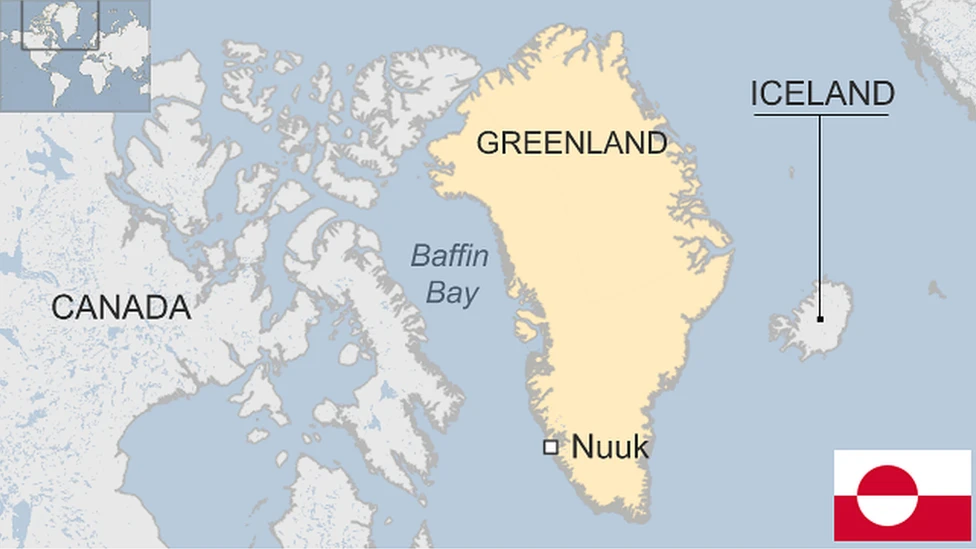
In Mid January 2026, President Donald Trump escalated an already unusual standoff by threatening new tariffs on European allies over their opposition to his efforts to gain control of Greenland, the large Arctic island that’s part of the Kingdom of Denmark.
In Mid January 2026, President Donald Trump escalated an already unusual standoff by threatening new tariffs on European allies over their opposition to his efforts to gain control of Greenland, the large Arctic island that’s part of the Kingdom of Denmark.
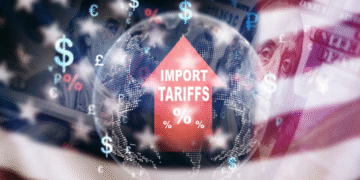
Trump announced on his Truth Social platform that beginning Feb. 1 2026, eight Nato and EU countries – Denmark, Norway, Sweden, France, Germany, The UK, The Netherlands and Finland – would face a 10% tariff on all goods exported to the USA, rising to 25% by June 1. These tariffs, he said., would stay in place until Washington and Copenhagen reach a deal under which the USA would acquire Greenland.
According to the White House messaging, Greenland’s strategic Arctic location and mineral wealth make it vital for U.S. national security, especially in the context of potential Russian and Chinese influence in the high north.
Reaction from Europe
European leaders – including heads of government and EU officials – reacted with strong criticism. Many called this tariff economic blackmail and warned it could undermine the transatlantic alliance. Denmark, whose sovereignty over Greenland is non-negotiable in Copenhagen’s view, repeatedly stated that Greenland is not for sale. Some EU bodies even paused formal approval of a broader U.S.-EU trade deal in protest.
Update January 22, 2026
Just days later, at the World Economic Forum in Davos, Trump announced he would cancel the planned tariffs after meeting with NATO Secretary General Mark Rutte, saying they had agreed on the “framework of a future deal” about Greenland and Arctic cooperation.