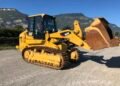








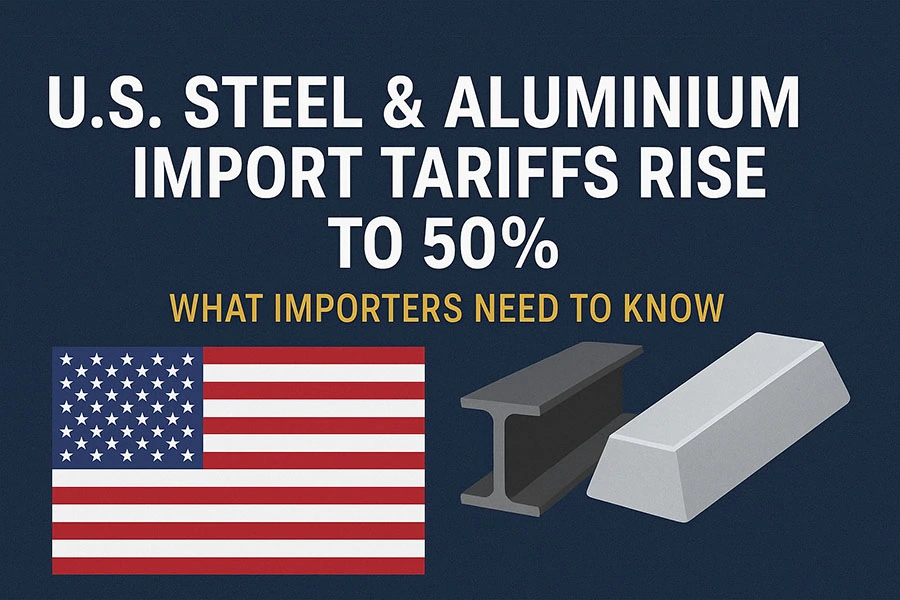
Just when we thought we had seen it all with the recent U.S. import tariff changes, a new twist landed in my inbox today. My shipper informed me that we now need to pay an additional import tariff on machines that were already sold and shipped weeks ago. Yes, you read that correctly—tariffs applied retroactively to equipment that is already on the water or even close to arriving.
The logic behind this new rule is unusual to say the least. Importers are required to calculate the total weight of the machine, multiply that number by the current steel price, and then pay 25% of the result as an extra tariff. On paper it sounds straightforward, but in reality it raises more questions than answers.
For starters, I doubt even Caterpillar could tell you how many kilograms of steel went into each specific machine model. And steel prices fluctuate constantly—not to mention the dozens of different steel grades used in a single piece of heavy equipment. So which steel price are we supposed to use? Spot market? Futures? Scrap? And is the steel in a used machine considered “new” steel or “old” steel?
To make matters even stranger, we’re being asked to submit these calculations ourselves, even though the guidelines are vague at best. We did our best to put together a fair and reasonable estimate, but with rules this unclear, you can’t help but wonder whether customs will see it the same way. The last thing anyone wants is a fine or penalty for a “wrong entry” that no one can properly define.
It’s been a chaotic few months in the machinery export business, and this new steel tariff requirement might be the most confusing development so far. I’ll keep you posted as we learn more and see how this unfolds.
If you have experience with this new rule or any insights into how the calculations are supposed to work, please share your thoughts in the comments below. The more information we can gather, the better for everyone navigating these ever-changing regulations.